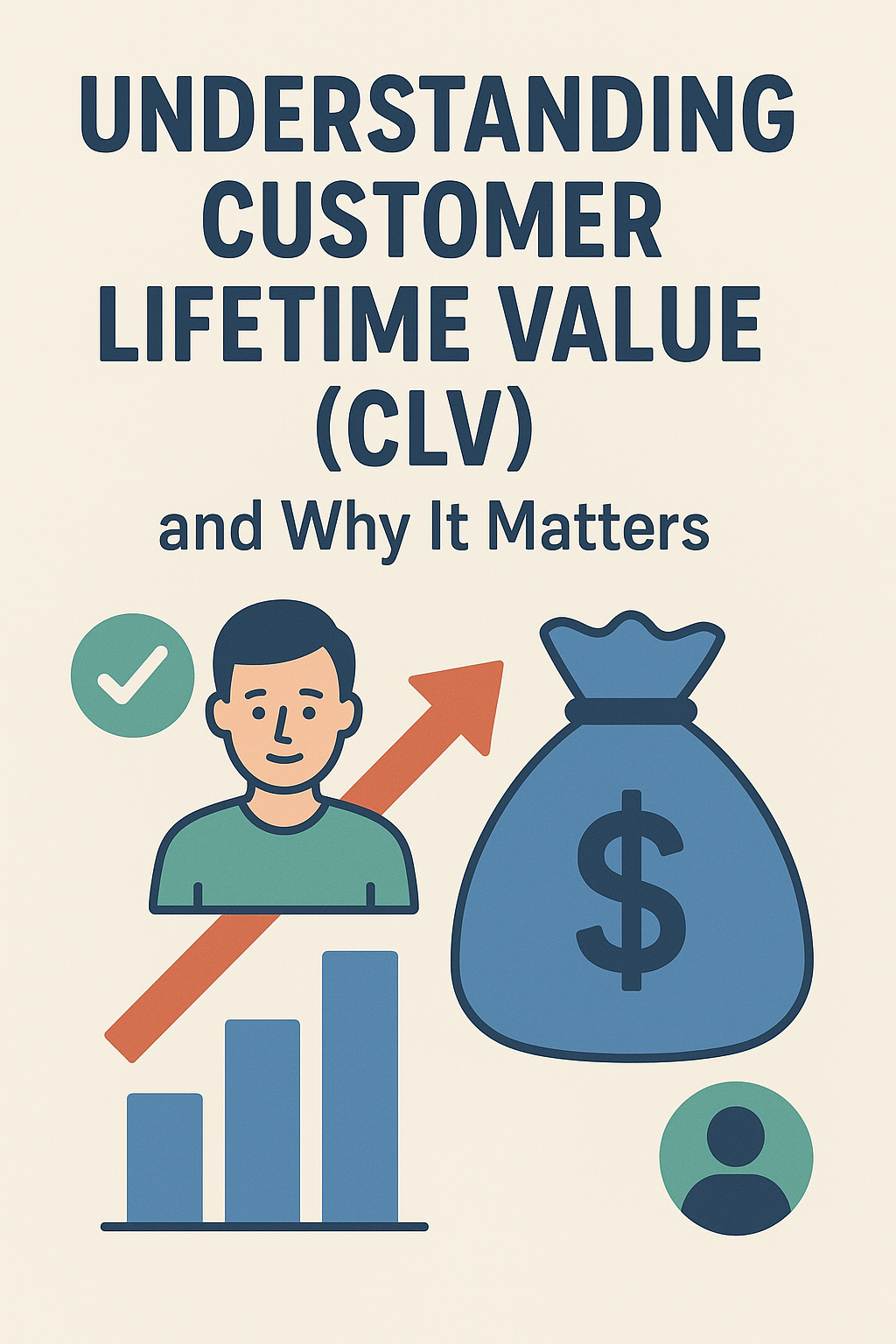
Customer Lifetime Value (CLV) is not only a marketing measurement, but it’s also an insight into the long-term health and viability of a company. By grasping CLV, brands can look beyond single transactions and start to consider the broader picture: keeping customers engaged, satisfied, and loyal in the long run. Applied correctly, CLV becomes the basis of customer retention strategies, driving companies to focus efforts on enhancing client retention and overall customer satisfaction.
In its simplest form, CLV calculates the overall revenue a company can expect from a single customer over the entire duration of their relationship. Rather than simply assessing the worth of a one-time sale, CLV considers repeat purchases, the frequency of purchases, and the average duration of customer loyalty. This expanded perspective enables companies to shift their focus from achieving quick victories to fostering sustained loyalty, a strategy that typically yields greater profits and deeper relationships.
One reason CLV matters so much is that it guides more intelligent resource allocation. For example, if data shows that loyal customers generate significantly more revenue over time, investing in customer retention strategies, such as personalized offers, loyalty programs, or proactive customer surveys, makes clear business sense. It’s often more cost-effective to keep existing customers satisfied than to find new ones constantly. Understanding the potential lifetime value of various customer groups enables these investments to be prioritized where they’ll have the most significant impact.
CLV understanding also inspires companies to look at customer interactions as a whole. Instead of isolating support, marketing, and product departments into discrete silos, CLV highlights how each touch point contributes to increased customer satisfaction and retention. Streamlined on-boarding, prompt communication and considerate follow-up all contribute to prolonging the relationship and generating more overall value.
Segmentation adds even more strength to CLV analysis. By identifying CLV across various customer groups—such as first-time customers, repeat customers, and loyalty scheme members—companies learn what creates higher value. They can then refine their customer retention efforts to focus on retaining the most valuable customers and encourage new buyers to become long-term advocates.
Personalization is directly linked to CLV. Suppose brands tailor their communication and promotions to a customer’s buying history, preferences, or feedback. In that case, it not only enhances satisfaction at the time but can also promote repeated purchases in the future. For example, receiving product suggestions that genuinely appeal to a customer’s interests feels personal and considerate, inviting them to purchase again and linger longer.
Customer surveys also come into play. By regularly soliciting feedback about products, services, or the overall customer experience, companies gain insight into what keeps customers coming back and what may cause them to leave. Listening to this feedback and acting upon it improves customer satisfaction and decreases churn, both of which have a direct impact on CLV.
One underemphasized advantage of CLV is that it guards against overemphasis in acquisition. Attracting new customers is vital, but ultimately, long-term success may be more dependent upon building the customers you have. A serious repeat customer who has done business with you over the years can be worth significantly more than a few one-time customers. Maintaining this view helps keep marketing efforts in balance between acquisition and retention.
Monitoring CLV over the long term also helps companies identify warning signs ahead of time. If average CLV is declining, it could be an indication of the following: increased churn, reduced repeat purchase rates, or decreasing customer satisfaction. Correcting these trends at an early stage through enhanced on-boarding, improved support, or more compelling engagement can prevent additional losses and safeguard long-term income.
Notably, prioritizing CLV does not equal neglecting customer experience. The two complement each other. Initiatives to boost lifetime value, such as providing loyalty rewards, customized assistance, or proactive contact, tend to result in greater satisfaction because they indicate the company is concerned with more than a future purchase.
Ultimately, understanding and applying CLV enables companies to cultivate lasting relationships. It makes customer retention strategy a long-term asset instead of a quick fix, which inspires brands to invest in trust, timeliness, and continuous communication. It not only increases client retention but also fosters happier, more loyal customers who continually return—and frequently bring friends along with them. By placing CLV front and center in decision-making, companies can transition from reactive strategies to proactive ones that fortify each point in the customer journey. Ultimately, it’s not about numbers on a page; it’s about creating a customer experience that’s fulfilling for both the company and the individuals it serves