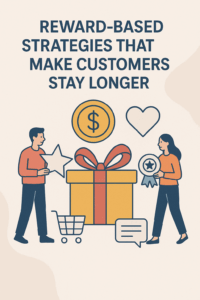
Engaging customers in the long term is not merely a matter of having excellent products or low prices. Increasingly, companies are adopting reward-based methods to enhance customer satisfaction and interactivity in their experiences. By incorporating light-hearted challenges, accomplishments, and tailored rewards, these strategies present an added level of inducement that strengthens loyalty, makes customer retention efforts more robust, and generally leads to higher customer satisfaction.
At the center of reward-based tactics lies the concept of making everyday interactions memorable moments. Rather than considering purchases or app visits as mundane behaviors, brands create experiences that are enjoyable and rewarding. For example, rewarding customers with badges or points for performing specific tasks, such as leaving a review, referring a friend, or watching a product tutorial, keeps customers engaged and provides them with strong incentives to return. This repeated engagement directly supports client retention by making each visit feel like progress toward a valuable goal.
One successful strategy is to create tiered reward systems that allow customers to access increased benefits with increased usage. These tiers not only reward usage but also value non-monetary activities, such as providing feedback through surveys or contributing to the community. This ensures that loyalty becomes accessible for all customers, rather than the biggest spenders. As customers progress through the tiers, they experience increased feelings of success and belonging, which can lead to higher customer satisfaction and lower churn rates.
Personalization enhances the effectiveness of these approaches. As rewards and challenges are based on individual purchase history and interests, they resonate as authentic and not generic. For instance, a buyer who regularly purchases green products may unlock special content on sustainability or promotions on similar items. Such a considerate strategy conveys that the brand genuinely cares about what is essential to its clients, thereby driving client loyalty.
Reward-based strategies also enjoy surprise factors, such as unplanned extras, surprise birthday offers, or temporary challenges that are limited or specific. Delight encourages customers to return frequently, preventing monotony and ensuring the experience remains fresh and engaging. Surprise Birthday offers create excitement that propels customers to visit repeatedly, fostering a habit of frequent return visits.
Storytelling can also be integrated into reward systems to build an emotional connection. Rather than accumulating points, customers can embark on branded “journeys” that reach milestones aligned with the company’s purpose. A wellness brand, for instance, could guide customers through phases such as “Getting Started,” “Creating Healthy Habits,” and “Living Balanced,” each with its rewards. This storytelling approach makes loyalty a shared adventure, rather than just an exchange of goods or services.
Another effective strategy is to create friendly competition or community challenges. Encouraging customers to join group objectives, such as collectively achieving a donation milestone or writing a specified number of product reviews, fosters a sense of community. Customers share a sense of belonging, which deepens emotional commitment and retains them even beyond individual reward.
It’s also helpful to employ feedback loops to optimize such strategies. Periodic customer surveys can reveal what customers like best, what is unclear, or what can be improved. Following up on this feedback demonstrates that the brand values customer opinions, further increasing customer satisfaction. Periodically making rewards and challenges align with evolving interests keeps the experience fresh and impactful.
Companies should keep in mind that reward-based tactics are not solely points or discounts. Compliments by themselves are a tremendous motivator. Highlighting leading contributors in newsletters, posting customer testimonials on social media, or simply sending them thank-you notes can make customers feel acknowledged and valued. This is often just as effective as financial rewards in building client loyalty.
Consistency is also a significant factor. Reward programs function most effectively when they’re an integral part of a long-term customer retention strategy, rather than a special short-term promotion. Sustained participation reinforces habit and makes loyalty a second-nature part of the customer experience, not a transitory bonus.
Finally, reward-based methods succeed because they enhance value in each transaction, not because customers must linger longer, but because they want to due to the value of the experience. When businesses integrate clear rewards, personalization, emotional narratives, and active listening with customers through surveys, they foster a culture in which loyalty is enjoyable, significant, and closely tied to customer satisfaction.
Ultimately, retaining customers is not so much about what you sell as it is about how you make them feel throughout the process. Considerate, reward-based strategies transform mere transactions into interactive experiences, turning occasional purchasers into lifelong brand evangelists.